







Search Results for: Dirty recipe
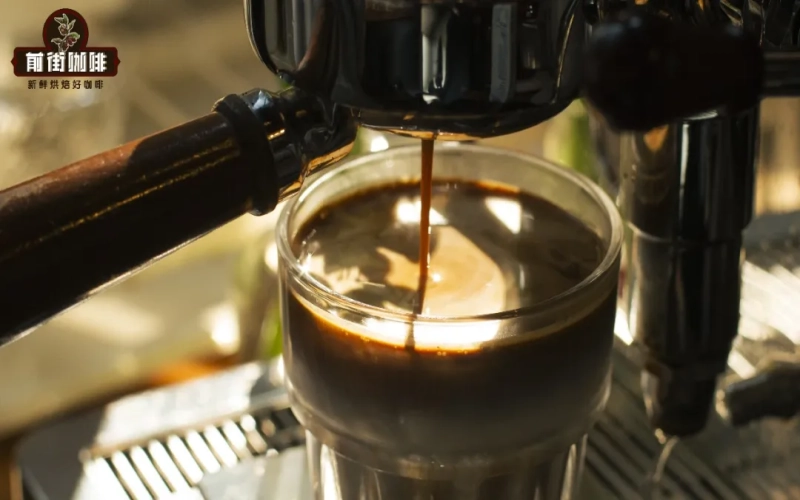
Salted Yuzu Dirty Recipe Detailed Guide: Key Techniques and Ingredient Ratios to Solve Milk Curdling Caused by Yuzu Juice
In recent years, the salted pomelo Dirty has become quite popular online, but many people frequently fail when trying to recreate it at home. The core difficulty lies in the acidity of the pomelo juice, which causes milk proteins to denature and curdle, seriously affecting the taste. Through multiple experiments, Front Street has found a method that is closer to the original: using concentrated pomelo juice combined with sucrose syrup to make a homemade pomelo syrup, then combining it with milk and espresso, and finally sprinkling on sour plum powder to create a unique experience of intertwined salty and sweet flavors. This article will share the complete production parameters and flavor layers of this drink, from material selection, syrup ratios, coffee bean recommendations, to specific operating steps, helping coffee enthusiasts make a rich, well-balanced salted pomelo Dirty at home. [more…]
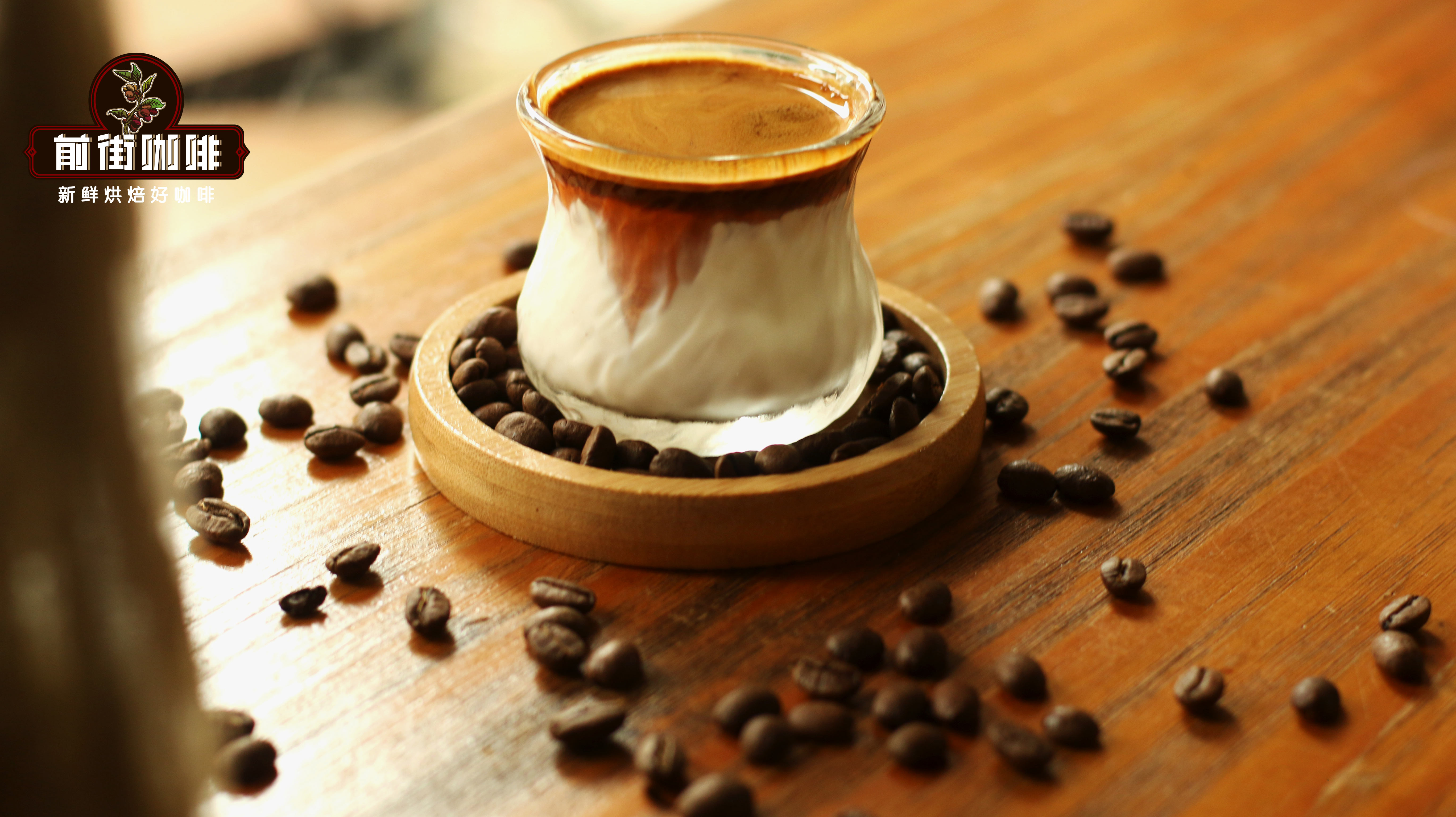
Dirty Coffee Recipe Ratio | How Can Coffee Beginners Make a Dirty Coffee? What's the Milk-to-Coffee Ratio for a Dirty Coffee? Which Coffee Beans Are Suitable for Making a Dirty Coffee?
Introduction: Dirty coffee burst onto the scene a few years ago, converting many latte loyalists into Dirty devotees. Unlike iced latte, Dirty coffee offers a visual and taste-bud double delight as you watch the espresso and milk create a gradient effect, and with one sip you go from rich coffee to sweet milk. [more…]
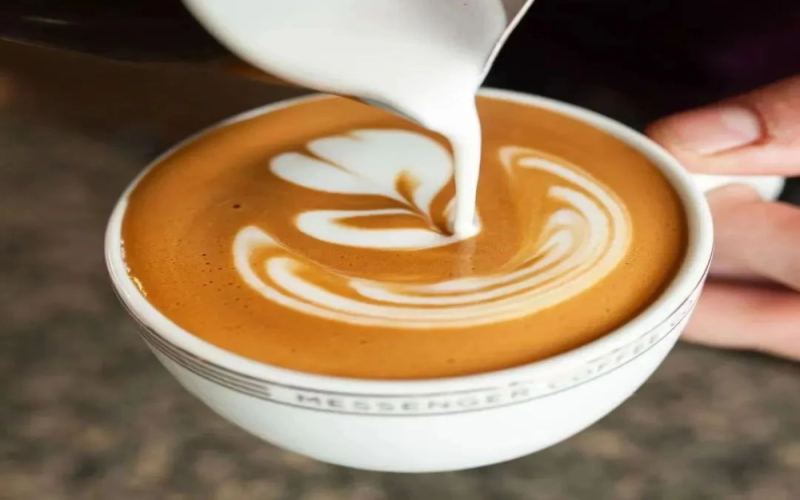
Espresso Milk Coffee | Why is Dirty coffee so popular? What is the recipe ratio for the internet-famous dirty coffee? What are the flavor characteristics of dirty?
It must be said that the ways to play with espresso are truly endlessly varied—just the combination of espresso and milk alone can create a great many coffee drinks. Dirty coffee is a very popular type of espresso drink born from the collision of espresso and milk. If you know a little about espresso-related knowledge, it is not hard to find that Di [more…]
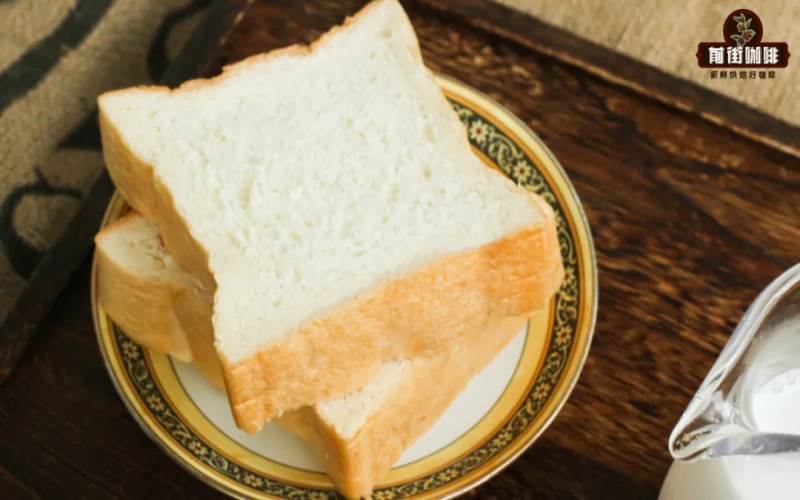
White Toast Dirty Coffee Recipe: Flavor Experience and Brewing Parameters of Raw Toast Milk Dirty Coffee
Recently, a distinctive coffee creation has been trending online—the white toast Dirty. It isn't made by adding toast to coffee; instead, milk that has been soaked with toast is used to make the Dirty, giving the milk both the aroma of bread and a richer mouthfeel. In this issue, Front Street Coffee replicates this drink, using raw toast soaked in a 1:5 ratio under refrigeration for 4 hours, then filtering it and pairing it with a specialty espresso blend, documenting the complete process of temperature contrast and flavor integration across three sips. However, Front Street also specifically warns that fresh bread is prone to mold, and soaking it in milk for a long time will greatly accelerate spoilage, posing safety risks if not handled properly, so friends with sensitive stomachs are advised not to try it casually. [more…]

Dirty Coffee Recipe Tutorial | What Are the Differences Between Dirty Coffee and Iced Latte? What Are the Key Points for Making Dirty Coffee?
For more specialty coffee knowledge, please follow our WeChat official account: Front Street Coffee (FrontStreet Coffee). Dirty Coffee, with its rather playful name, is a unique coffee style; visually, the coffee looks as if it has tainted the white fresh milk, and the blend of hot and cold brings a distinctive layer. [more…]
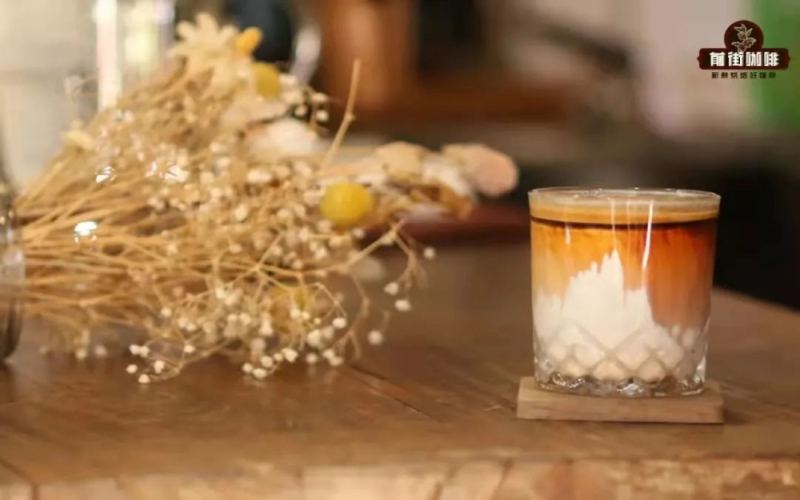
Dirty Coffee Recipe Ratio and Layering Techniques: A Full Guide to Cup Selection, the Right Way to Drink It, and Taste and Flavor Analysis
In recent years, Dirty coffee has become a signature drink at many cafés thanks to its unique hot-and-cold contrast and its striking layered appearance. Its top layer is warm espresso and its bottom layer is iced milk; there is no need to stir, and only by taking a big sip can you experience the distinct changes in flavor between layers. Starting from the origin and definition of Dirty, this article will explain in detail the mixing ratio, the key techniques for layering, the key points for choosing a cup, the correct way to drink it, and how to describe its taste, and will also explain how long it can be stored. At the same time, by combining the characteristics of three espresso coffee beans—Front Street Classic Blend, Specialty Blend, and Black Cocoa Base Blend—it will help you make a cup of Dirty that is excellent in color, aroma, and taste. [more…]

Iced Latte and Dirty Coffee Tutorial: Front Street Shares Detailed Steps and Recipe Highlights for Summer Cold Drinks
Following yesterday's iced coffee tutorial, Front Street Coffee continues today with a refreshing summer special for coffee lovers—a guide to making iced lattes, plus a complete tutorial on the recently surging hit, Dirty coffee. With illustrations and text, the article walks through both drinks step by step, covering key parameters such as cup capacity selection, the ratio of ice to milk, coffee grounds dosage, and espresso yield, with special emphasis on ice-cup pre-chilling and hot-cold layering techniques for Dirty. Whether you want to easily recreate an iced latte at home or take on the richly layered Dirty coffee, you'll find practical guidance in this clear, step-by-step guide. [more…]
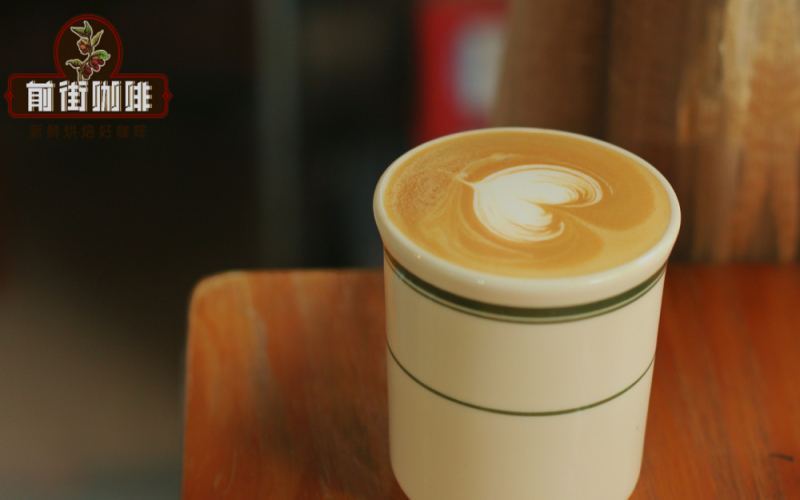
How to Choose Between a Flat White, Latte, and Dirty Coffee? A Full Breakdown of Recipe Ratios, Milk Foam Thickness, and Taste Differences
Walking into a specialty coffee shop, the flat white, latte, and Dirty on the menu often make it hard to choose. They are all milk coffees, yet each has its own finer points when it comes to espresso base, milk volume, foam thickness, and drinking method. From the perspective of Front Street, this article first clarifies the definitions and origins of the three, then uses a concentration and content ranking chart for an intuitive comparison, and afterward breaks down the production process and key details of latte, flat white, and Dirty one by one, including milk frothing, pouring techniques, milk temperature, and pouring distance, to help you find the cup that best suits your taste. [more…]
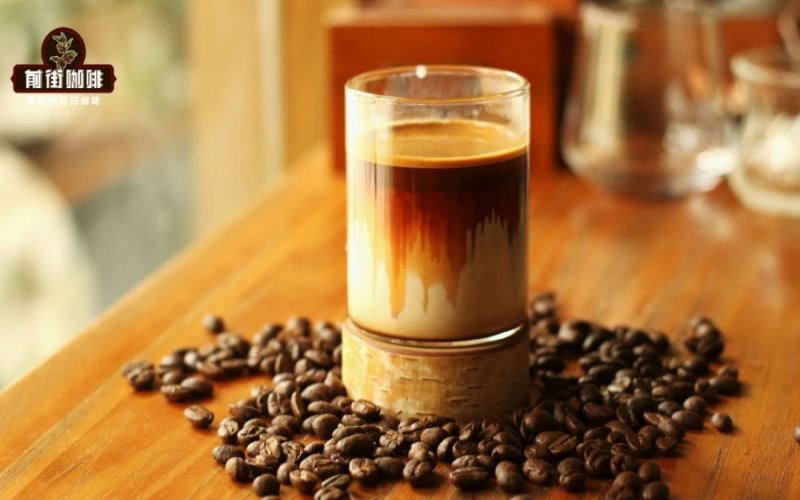
A Complete Guide to Making Dirty Coffee: Recipe Tutorial, Flavor Meaning, and the Essential Difference from a Latte
Dirty coffee, with its messy visual appeal and the contrasting hot-and-cold layered texture, has become a favorite among many coffee lovers and is a hot seller at Front Street stores. However, many people who try to recreate it at home often fail to achieve the layering, with the coffee liquid mixing directly into the milk. This article breaks down the reasons for Dirty layering failures from five aspects: coffee bean selection, cup shape, extraction distance, coffee liquid concentration, and milk texture, and provides Front Street's practical experience and product recommendations. It also explains what exactly sets Dirty apart from a latte, helping you make a cup of Dirty that is both beautiful and delicious. [more…]
Homemade Latte Recipe | What Is the Origin of Latte Coffee? What Are the Differences in Taste and Mouthfeel Between Hot Latte, Iced Latte, and Dirty Coffee?
Latte is a transliteration of the Italian word Latte. Latte coffee refers to coffee made by mixing a certain proportion of milk into espresso, and is a type of fancy coffee. The original latte coffee originated in Vienna, the city of music. Viennese people began drinking coffee in the 17th century, when the Turkish army attacked [more…]
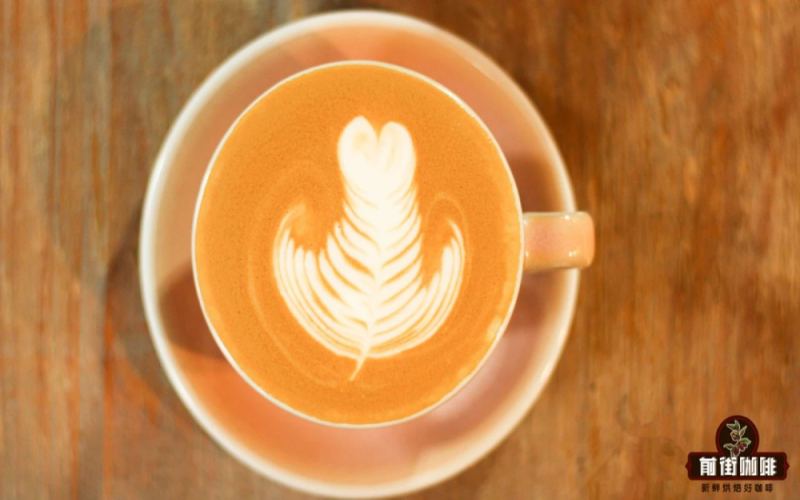
Cafe Latte Recipe Sharing | Where Does Latte Coffee Come From? Is There a Difference Between the Espresso-to-Milk Ratio in a Dirty Coffee and a Latte?
Latte comes from the transliteration of the Italian word Latte. Latte coffee refers to coffee made by mixing a certain proportion of milk into espresso, and it is a type of fancy coffee. The original latte coffee originated in Vienna, the city of music. The Viennese began drinking coffee in the 17th century, when the Turkish army attacked [more…]

Common Types of Italian Coffee | What Are the Classic Milk Coffee Recipes? What's the Difference Between a Latte, Macchiato, Cappuccino, and Dirty?
Espresso is a must-have beverage in every café. Many people's first impression of espresso is that it's unbearably bitter. In fact, espresso isn't limited to such bitter shots. If you want an espresso that isn't bitter and suits your taste, the first thing you need to understand is the different types of espresso. Front Street Cof [more…]
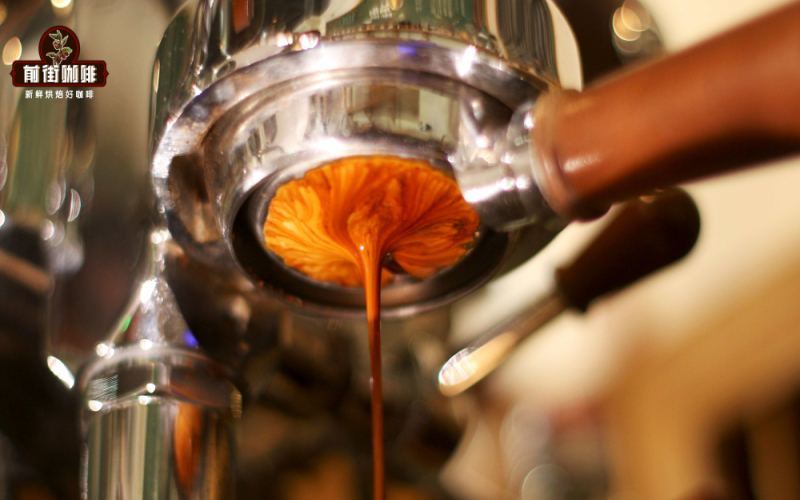
A Complete Guide to Ten Espresso Drinks: From Espresso Base to Creative Specialty Recipes
Espresso coffee is a core category on most café menus, but its family is far more than just Americanos and lattes. In this article, Front Street Coffee sorts out the definitions, origins, and specific preparation parameters of ten common espresso drinks, including espresso, Americano, latte, cappuccino, flat white, mocha, Dirty, macchiato, affogato, and caramel macchiato. For each drink, Front Street's recipe ratios, cup size choices, and key operational points will be provided to help coffee enthusiasts understand the differences and connections between them. Whether you want to recreate them at home or want to understand the logic behind café menus, this compilation can provide clear and practical reference. [more…]
Homemade Latte Recipe | Did Latte Originate in Italy? What Is the Espresso-to-Milk Ratio for Making a Latte?
Latte originates from the transliteration of the Italian word "Latte." Latte coffee refers to coffee made by mixing a certain proportion of milk into espresso, and it is a type of fancy coffee. The original latte coffee originated in Vienna, the city of music. The Viennese began drinking coffee in the 17th century, when the Turkish army attacked [more…]
A Complete Guide to Ten Classic Espresso Drinks: Recipes and Flavors from Espresso to Caramel Macchiato
In any coffee shop, espresso-based drinks are the undisputed stars of the menu. But espresso beverages are far more than just Americanos and Lattes. Compiled by Front Street Coffee (FrontStreet Coffee), this article systematically introduces the ten most common espresso drinks found in cafés, including Espresso, Americano, Latte, Cappuccino, Flat White, Mocha, Dirty, Macchiato, Affogato, and Caramel Macchiato. Each one comes with specific preparation ratios, ingredient compositions, and flavor characteristics, helping coffee enthusiasts understand the differences and connections between them. Whether you want to recreate them at home or simply be more knowledgeable when ordering, this guide offers practical reference. [more…]
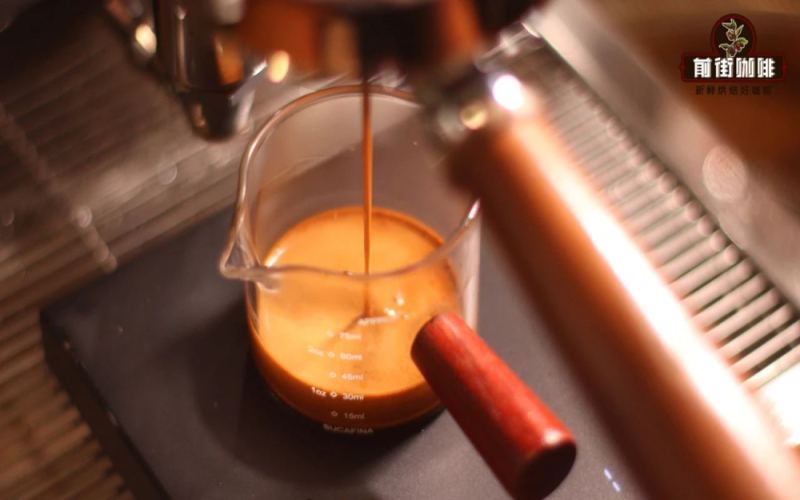
What Does SOE Coffee Mean? A Detailed Guide to Single-Origin Espresso and a Brazilian SOE Dirty Recipe Tutorial
When you walk into a café to order, the barista's casual question, "Would you like an SOE?" often leaves many customers puzzled. SOE stands for Single Origin Espresso, which refers to espresso made from coffee beans of a single origin. It can be extended into various drinks such as SOE Americano, SOE Latte, and SOE Dirty. This article will start with the development of specialty coffee, clarify the differences between SOE and blended coffee, and analyze the selection approach for acidic and bitter beans. Finally, using Front Street Coffee's Brazil Cerrado coffee beans as an example, it will fully share extraction parameters and the steps for making a Dirty, so you can make an excellent cup of SOE at home. [more…]
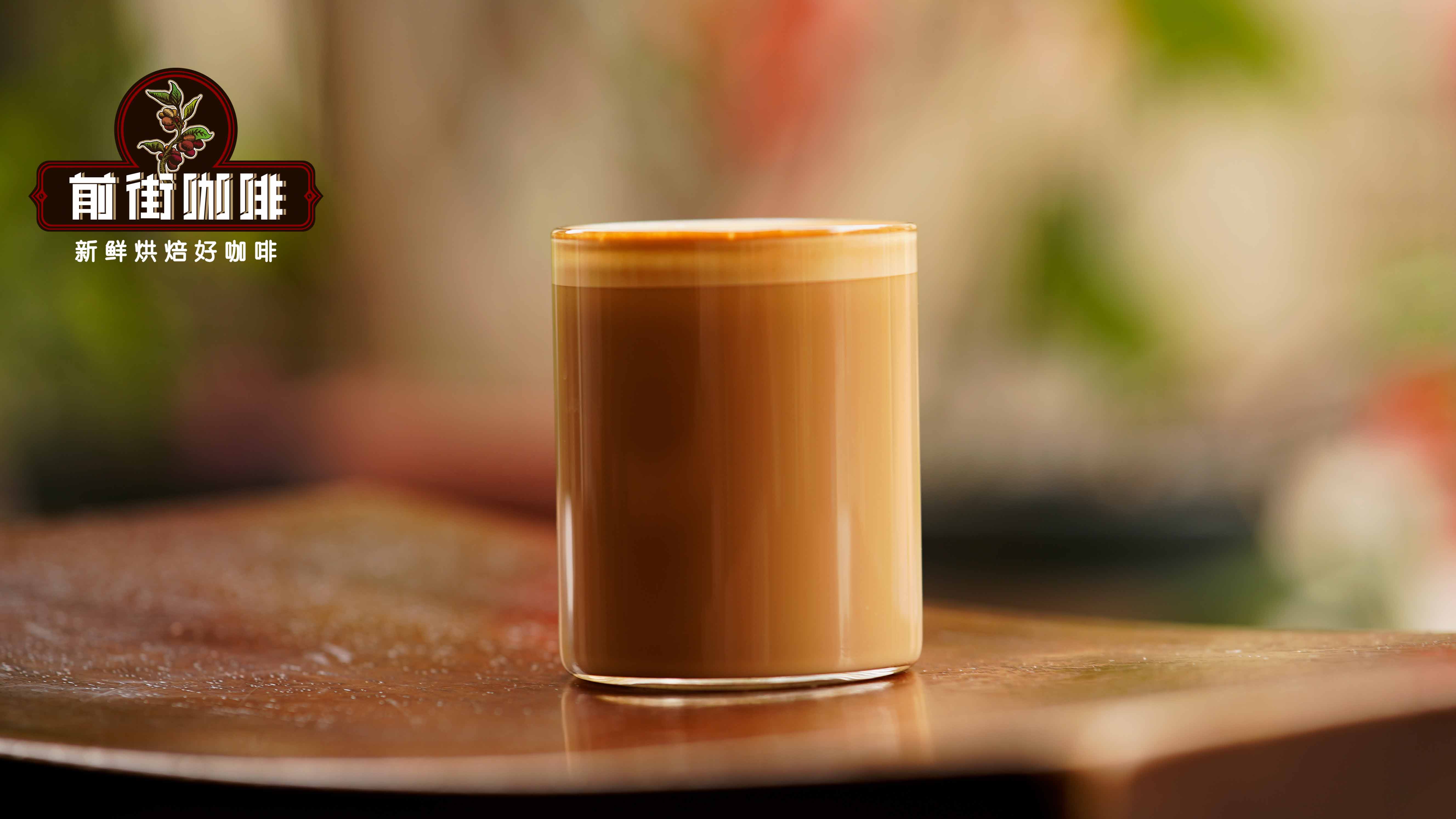
How Is a Dirty Different from a Flat White? A Clear Explanation from Brewing Principles to Espresso Bean Selection
The Dirty Coffee and the Flat White are two rather popular off-menu espresso drinks at Front Street Coffee. Although both are combinations of espresso and milk, they take completely different routes in terms of temperature, milk volume, milk foam thickness, cup type, and even the way they are enjoyed. Starting from the characteristics and differences of each, this article will break down the causes of the Dirty's layered effect and the key points of making it, explain the recipe approach behind the Flat White, and also touch on how to choose espresso beans with good value for money. Friends who love milk coffee might as well follow Front Street's steps and give it a try at home. [more…]
A Complete Guide to Espresso at Cafés: Detailed Breakdown of Ten Common Types and Their Preparation Ratios
Walking into any coffee shop, the dazzling array of espresso drinks on the menu can be overwhelming. Espresso, Americano, Latte, Cappuccino, Flat White, Mocha, Dirty, Macchiato, Affogato, Caramel Macchiato—what are the origins of these ten beverages? What are their ingredient ratios? Where do their taste differences lie? This article breaks down each espresso drink one by one—its definition, origin story, and preparation method—and includes the actual production parameters from FrontStreet Coffee, helping you understand the logic behind a coffee menu from the perspective of recipes. Whether you're ordering daily or recreating drinks at home, you'll be well-informed. [more…]
A Complete Guide to Ten Classic Espresso Drinks: From Espresso to Caramel Macchiato, Coffee Shop Menus Made Easy
Walking into any café, does the dazzling array of espresso drink names on the menu leave you puzzled? Espresso, Americano, Latte, Cappuccino, Flat White, Mocha, Dirty, Macchiato, Affogato, Caramel Macchiato—what exactly are the differences among these ten common coffee drinks, and how should they be made? In this article, Front Street Coffee breaks down for you one by one the recipe logic, taste characteristics, and serving standards of each drink, from the espresso base to the milk ratio, from milk foam thickness to the layering principle, helping you easily understand coffee menus and find the cup that suits you best. [more…]
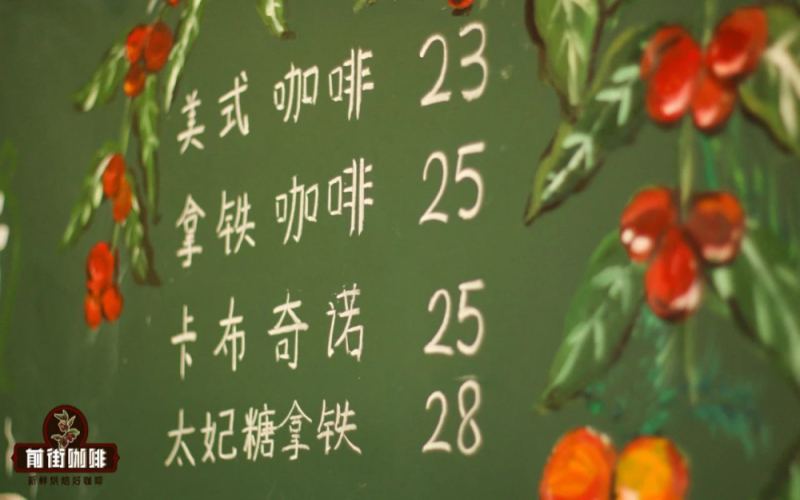
A Complete Guide to Common Espresso Drinks in Cafés: From Espresso to Dirty – Methods and Characteristics
Enter any coffee shop, and espresso is an indispensable presence on the menu. Many people's first impression of espresso is bitterness, but in fact, the espresso-based fancy coffee drinks are rich in variety and diverse in taste, so there is always one to suit you. To truly understand Italian coffee, you first need to know its family members. From the perspective of Front Street Coffee, this article systematically sorts out the characteristics, ratios, and preparation methods of espresso, Americano, latte, cappuccino, mocha, macchiato, caramel macchiato, and Dirty coffee, helping coffee lovers build a complete understanding of Italian coffee. [more…]